Feature Stories
Bioplastics: More than an alternative, they are part of the industrial transition to navigate today’s volatility and future uncertainties
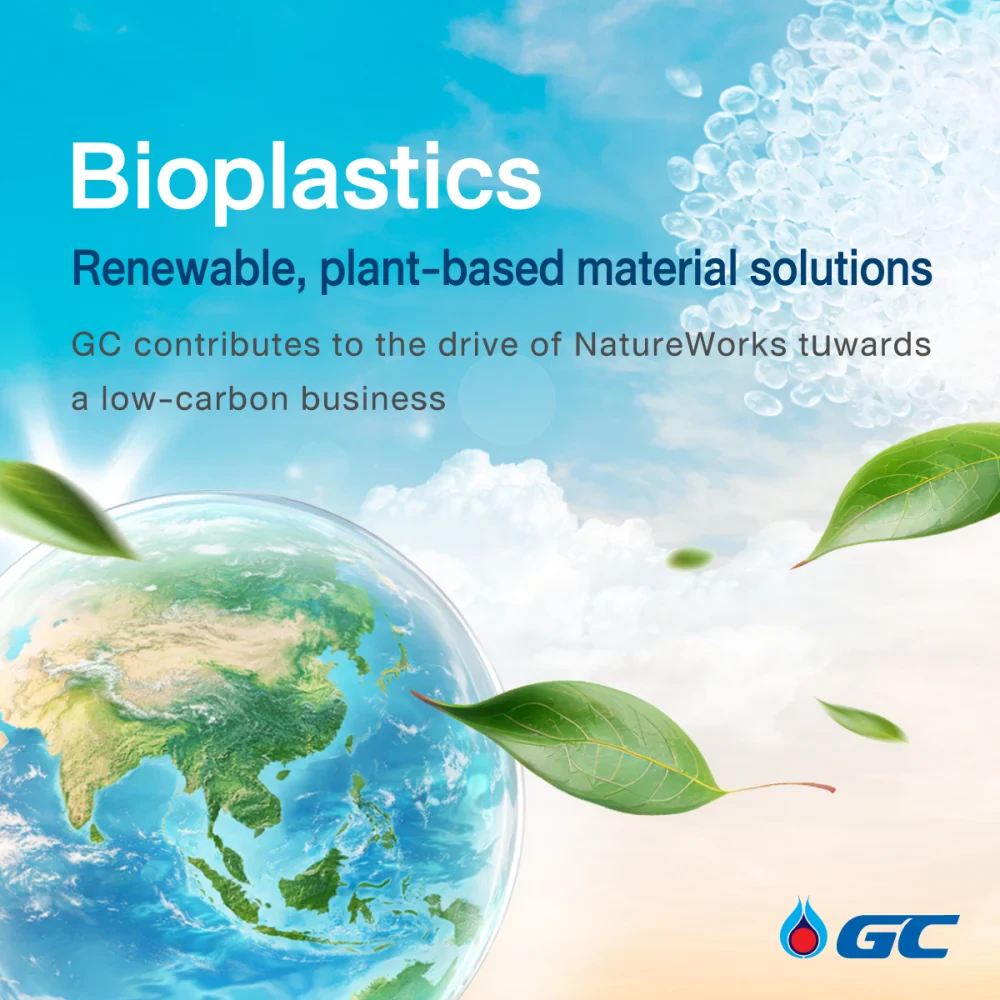
As the world seeks the materials of the future, bio-based materials still remain one of the most promising answers. Although they are being discussed more widely amid energy market volatility, these materials are not new. Rather, they represent an approach that industries around the world have long recognized as important.
The role in advancing materials that bring together innovation, practical application, and sustainability, bio-based materials align with the long-term direction of industrial development. This includes the use of renewable resources, the creation of added value from raw materials, and the new possibilities for the manufacturing sector.
Bio-based materials, which are produced or developed from renewable plant- and nature-based feedstocks, such as sugarcane, corn, or cassava. These resources can be processed and further developed for applications across a wide range of industries; it is therefore an important pathway in the development of future materials.
Why do bio-based materials remain in focus?
Over the years, bio-based materials have continued to gain attention from a wide range of stakeholders, including manufacturers, brand owners, innovation developers, and consumers, as they represent an approach that addresses multiple dimensions of modern-day needs at once.
Bio-based materials span a broad spectrum, from biochemicals and biofuels to natural fiber-based materials and industrial-use materials. Among the most familiar categories is bioplastics, which form part of the broader landscape of future material development.
The appeal of bio-based materials lies not only in their novelty but also in their continued relevance and important role in a world that is increasingly seeking a balance between performance, resilience, and sustainability.
Bioplastics: A part of the materials industry transition
In this broader context, bioplastics have consistently stood out as one of the most prominent materials, as they are closely connected to both everyday life and industrial-scale applications.
Bioplastics are plastics produced wholly or partly from plant-based or other renewable natural resources. As such, they offer an alternative to plastics made solely from fossil-based feedstocks. They also represent one approach to diversifying feedstock sources and creating new options for industries seeking materials for the future.
In the bioplastics category, PLA (polylactic acid) has continued to attract attention, as it clearly demonstrates how renewable plant-based resources can be effectively developed into practical industrial-scale applications.
PLA is a bioplastic produced from renewable resources such as sugarcane, corn, and cassava. It reflects an approach to material development that looks beyond the end use of the product, placing importance on the entire value chain — from feedstock sourcing and production processes to value creation across the industrial chain.
This is why bioplastics are not merely an “alternative material,” but part of the transition of the materials industry toward a more diverse, balanced, and adaptable future.
GC and Cargill’s Joint Venture in NatureWorks
As part of this direction, GC has joined Cargill in NatureWorks, a globally recognized producer of PLA under the Ingeo™ brand, and is advancing the development of a fully integrated PLA production facility in Thailand.
This project reflects another important milestone in the advancement of the bio-based materials industry in the region and reinforces Thailand’s role as a high-potential location for future industrial development.
The NatureWorks facility in Nakhon Sawan: Another step forward for future materials
The NatureWorks facility in Nakhon Sawan represents another important milestone in the development of Thailand’s bio-based materials industry, as the project moves forward toward becoming a fully integrated PLA production facility.
The significance of this facility goes beyond production capacity alone. It also lies in its potential to create added value from bio-based resources, strengthen industrial linkages across the value chain, and open up new opportunities for the bio-based materials market in Asia.
Look forward to another important milestone from NatureWorks in Nakhon Sawan, coming soon.
Since construction began in 2023, the NatureWorks Nakhon Sawan project has been approaching another important milestone as a fully integrated PLA production facility, reflecting the strong collaboration between GC and NatureWorks and a new direction for the materials industry in a changing world.
As the world faces growing energy volatility, plant-based materials are becoming increasingly important as one of the future’s alternatives that are practical in application, aligned with sustainability, and well suited to a world seeking new alternatives more than ever before.
Other Feature Stories