
Strengths and Strategies
In 2025, the petrochemical industry continued to face persistent challenges. Geopolitical and geoeconomic uncertainties led to reduced investment and consumption, causing a slowdown in demand for petrochemical products. Meanwhile, significant capacity expansions, particularly by low-cost producers in Asia pursuing policies promoting self-sufficiency and petrochemical investment to drive economic growth, resulted in market oversupply, with China emerging as a net exporter across various product lines.
Additionally, with access to low-cost natural gas feedstock by producers in the United States and the Middle East continuously lowering the industry’s average cost structure, many producers, especially those relying on naphtha, faced costs higher than the market average, while the industry landscape underwent a fundamental shift. Moreover, an energy transition was accelerated by a surge in environmental consciousness and the climate policies implemented by various countries across the globe, impacting the competitiveness of the industry in the long term. Amid these challenging market conditions, GC has been closely monitoring these trends and analyzing short-term impacts in order to promptly adjust its operation plans in accordance with the rapidly evolving situation while also enhancing its adaptability and advancing its long-term plan to achieve sustainable growth and respond to megatrends. As a result, GC has been able to accomplish its goals in different areas as planned and maintain its sustainability leadership, as demonstrated by its being ranked among the top 10 in the petrochemical industry by S&P Global Corporate Sustainability Assessment (S&P Global CSA) for 13 consecutive years.
As the challenges facing GC and the other players in the petrochemical industry are likely to continue and intensify, GC has identified strategic priorities to ensure its resilience, flexibility, and competitiveness in the short and long term and established actionable targets and plans to enhance its short-term competitive capability and foster sustainable growth over the long term. The Five Strategic Pillars and One Foundation for Transformation are as follows:
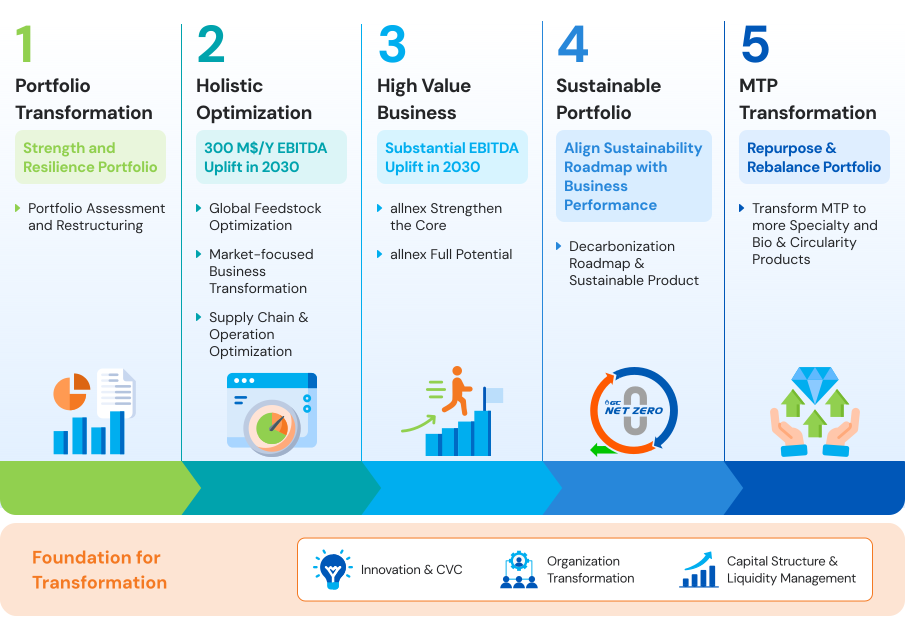
Portfolio Transformation
The challenging business circumstances and landscape have affected the different business units of the petrochemical industry to varying degrees across the value chain, depending on both market and cost competition. In response, as part of its systematic business management, GC has continuously assessed the competitiveness of its portfolio, taking into account evolving circumstances both at present and in the future, to formulate effective management guidelines for its businesses and business units and appropriately allocate resources to those showing trends of growth. GC has also sought business opportunities to maintain competitiveness through restructuring in collaboration with strategic partners, especially in businesses likely to be seriously impacted, in order to minimize risks and foster long-term competitive capabilities for GC.
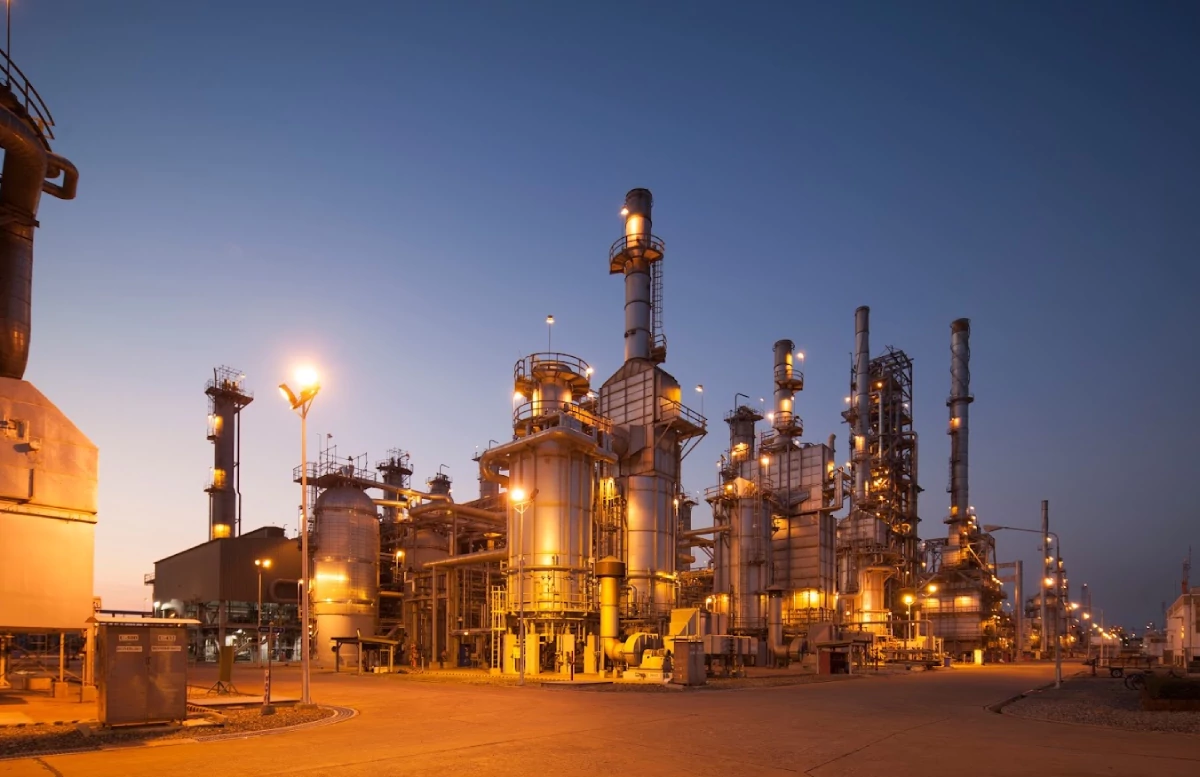
Holistic Optimization
Thanks to its continued efforts to optimize its operations, streamline various processes, adopt cost-saving digital technologies, and develop high-value markets and products, GC has been able to strengthen the organization, increase profitability, and reduce expenses when faced with challenging industry conditions. In response to the current situation, GC has initiated holistic optimization, focusing on three key areas. These include:
- building competitiveness through global feedstock optimization, with emphasis on optimizing production costs by sourcing competitive feedstock to enable GC to produce upstream and intermediate products at lower costs, thereby effectively enhancing the competitiveness of downstream products in the market;
- initiating market-focused business transformation to strengthen the business by maintaining market share and actively seeking growth opportunities in strategic markets, while also driving the development of innovative products to sustainably meet growing market demands; and
- elevating operational excellence to become a center of excellence through the application of digital and advanced technologies to enhance competitiveness across the entire supply chain, both domestically and internationally.
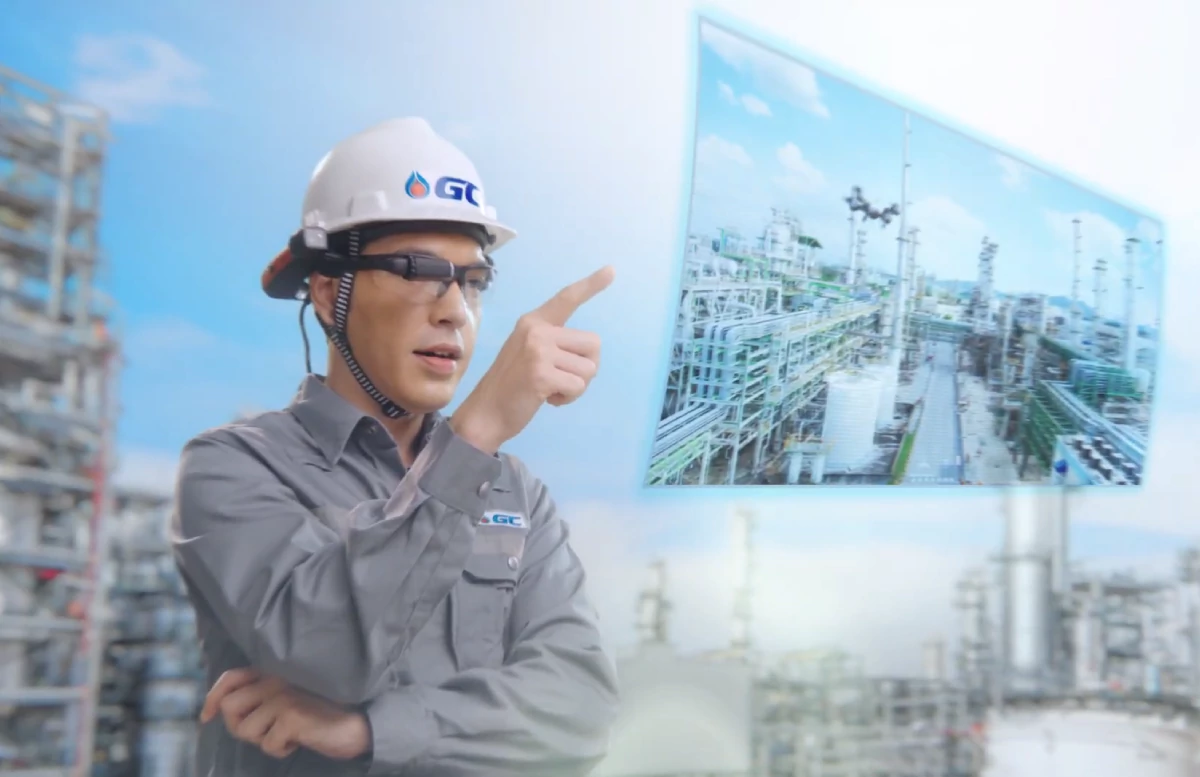
High Value Business
GC plans to achieve long-term growth in high-value and low-carbon businesses by maximizing allnex’s value creation potential, thereby strengthening its coating & additive platform, through long-term growth strategies aligned with global megatrends. Growth in the high-value businesses comprises two key components:
- Strengthening the Core Through allnex, where business growth plans for allnex are implemented via four main engines
Engine 1: Profitable Growth Through Capacity Expansion,
Engine 2: Operational Excellence,
Engine 3: Innovation & Sustainability,
Engine 4: Adjacencies and M&A to access new technologies
- allnex Full Potential, which aims to maximize value creation by exploring collaboration with strategic partners to unlock opportunities and drive the business to achieve maximum value.

Balance Business with Sustainability
GC has consistently undertaken initiatives toward Net Zero greenhouse gas emissions and sustainable development and realigned its strategic plan with global sustainability trends and directions, while also addressing challenges from various internal and external factors affecting its operations. This strategic priority consists of three key pillars as follows:
- GHG reduction: GC has revised its interim target for GHG reduction to more than 20% by 2035, which is in line with the PTT Group Decarbonization Master Plan and gives GC greater opportunity and an extended timeframe to complete its business restructuring, with the year for the Net Zero emissions target maintained at 2050;
- Low-Carbon Growth: GC seeks to increase the revenue proportion from sustainable products to 20-30% by 2030 while also supporting innovation projects focused on the research and development of new sustainable products to drive future revenue;
- Driving Sustainability Excellence: GC continuously monitors stakeholder expectations and prioritizes sustainable supplier management. In parallel, it is developing guidelines for managing Scope 3 GHG emissions based on suppliers’ decarbonization plans.

MTP Transformation
GC remains focused on leveraging its upstream feedstock to transform its current commodity business and expand further into high-value and low-carbon businesses as part of its “Repurpose & Rebalance” approach. By seeking growth opportunities in the specialty business within Map Ta Phut, GC aims to adjust the commodity-to-specialty ratio of its business portfolio to 70:30 by 2030. In addition, the Company recognizes the potential to drive and elevate Map Ta Phut into a hub for Southeast Asia’s specialty petrochemical industry to create added value, support national development, cater to downstream markets promoted by the government, and accommodate the shifting trends of trade and investment toward Southeast Asia.
This strategy is executed through two key plans:
- Asset Repurposing, which involves converting GC’s existing assets or products toward higher-value and low-carbon businesses, such as by improving its refineries into biorefineries; and
- Asset Rebalancing, in which a long-term asset strategy is implemented to ensure the efficient and appropriate management of GC’s assets in Map Ta Phut in accordance with market conditions and future industry trends. The goal is to drive business value to its full potential in conjunction with systematic and effective capital expenditure planning, thereby ensuring that GC’s resources are allocated and utilized for maximum benefit in support of strategic adaptation and sustainable future growth.
Furthermore, GC is expanding its capabilities in the research and development of new products and innovations through its Innovation Hub and actively promoting business incubation to support the future growth of Map Ta Phut via the Innovation Growth Platform, which creates new business opportunities by developing technology and innovation in four key areas: composites, EV batteries, green solutions, and bio-muconic acid, to support long-term growth.
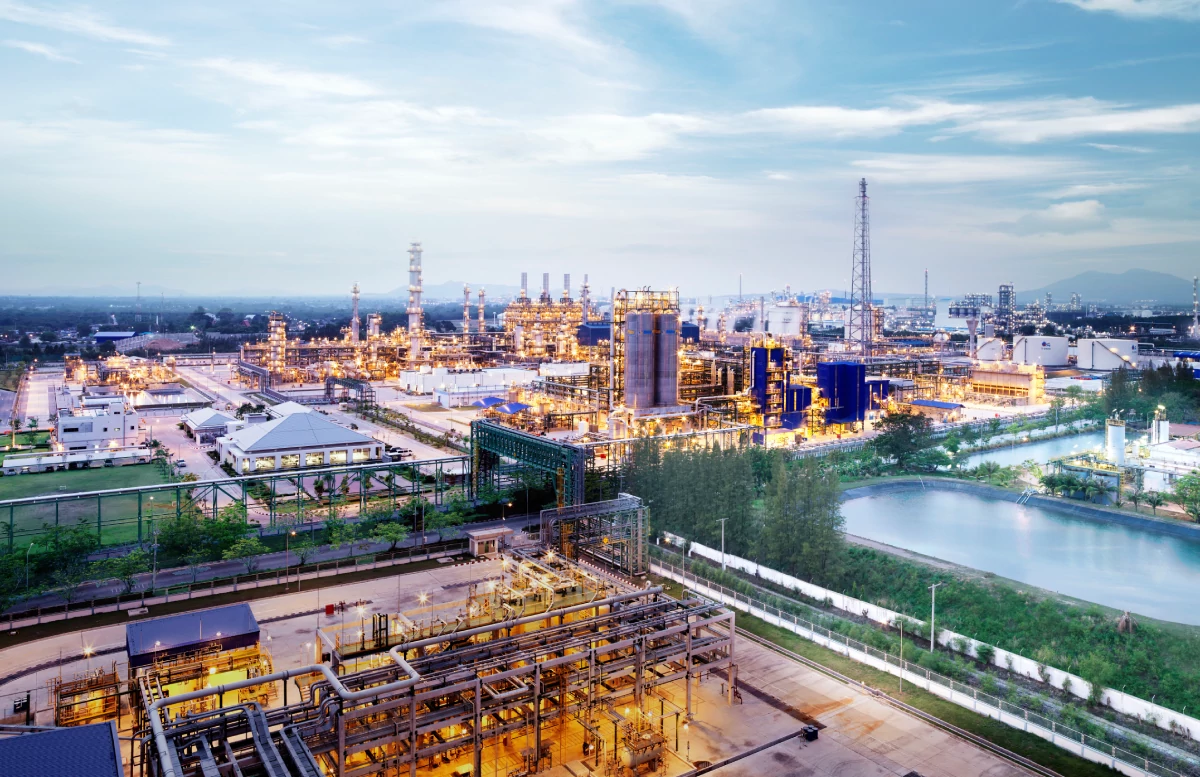
Foundation for Transformation
GC has laid a foundation to support its business strategies, with emphasis on elevating its operations to align with business restructuring and future growth directions, encompassing the following:
- Innovation operations: To build competitiveness and drive sustainable growth, GC develops innovation initiatives in line with both short-term and long-term business plans, focusing on establishing a clear innovation framework and fostering an organizational culture that cultivates innovative thinking and attitudes (innovation culture), with the goal of delivering sustainable value and business results for GC;
- Human resource management: Through strategic resource allocation, GC seeks to restructure the organization in line with its portfolio transformation to ensure agility and appropriate workforce distribution. In conjunction, initiatives are undertaken to develop personnel skills and knowledge, instill a strong corporate culture, and leverage AI technology to enhance the work experience for all employees;
- Financial support: To generate profit and sustainable growth, GC’s business management prioritizes effective liquidity management, capital structure optimization, and adherence to strict financial discipline.
GC also strives to strengthen supporting units and lay down the foundation for effective Governance, Risk management and internal control, and Compliance (GRC), so as to assure GC’s stakeholders of its transparency, accountability, and corporate governance.